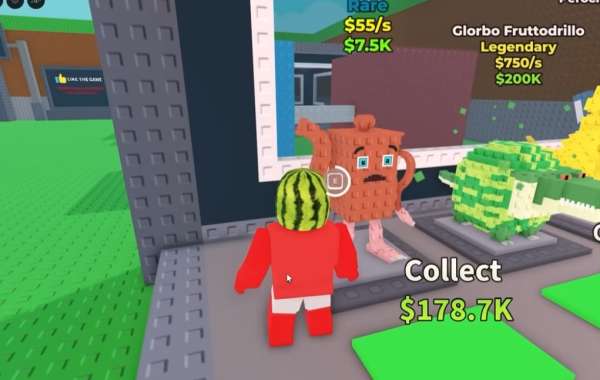
If you’ve ever played the Steal a Brain Rot experience on Roblox, you already know that half the fun comes from just watching these unpredictable little creatures cause chaos everywhere they go. The video we’re looking at today is basically the perfect example. The whole story revolves around a group of brain rots trying to plan a “vacation,” and honestly, it feels exactly like trying to organize a school field trip with characters who have the attention span of popcorn. Still, there’s a surprising amount players can learn from this, whether it’s how brain rots interact, how different personality types affect gameplay, or how these chaotic group moments can become part of your own strategies when exploring community servers.
Below, I break everything down into gameplay insights, what this means for players, and a few tips for dealing with your own roster of unpredictable brain rots.
Brain Rots and Their Personalities: Why It Matters in Gameplay
One of the biggest takeaways from the video is how distinct each brain rot’s personality is and how that actually affects the flow of events. For example, Lost Chareritas is level‑headed but anxious, Cappuccino Asino is obsessed with Japan, and Strawberry Elephant is basically a walking disaster who teleports into scenes with zero warning. Their personality traits—though exaggerated for entertainment—mirror how players often role‑play or use emotes in Roblox servers.
Understanding these personality traits helps when you’re trying to plan group activities or coordinate actions inside community servers. If you regularly play with friends, you’ve probably seen similar behavior. Someone wants to explore, someone wants food, someone insists on doing something totally unrelated. The key is learning how to guide chaotic energy rather than trying to fight it.
And speaking of in‑game coordination, I’ve noticed that players often exchange tips about economy systems on forums. Some players even mention places where you can buy brainrots cheap, especially when trying to expand their collection quickly. It’s useful to compare prices and understand supply trends across the community before making decisions.
When Votes Matter: A Lesson in Group Coordination
The centerpiece of the story is the chaotic “vacation vote.” The brain rots keep arguing—Japan, Mexico, Minecraft, the beach—and the player has to be the one adult in the room. This part is surprisingly accurate when it comes to real multiplayer gameplay. When you’re hosting or leading a session, you’re often the one breaking ties, keeping things fair, and preventing the loudest player from forcing everyone else to follow them.
The revote moment, where the Magical Matteo Forest option is removed, is also a good example of how narrowing choices helps the group move forward. In Roblox games where group decisions matter—whether it’s choosing a map, event, or raid route—reducing options is sometimes the fastest way to defuse arguments and keep things fun.
On a side note, I’ve seen some players browse for tools, builds, or cosmetic items through various community hubs. If you’ve ever explored a buy brainrots website for references or trading comparisons, you know that having the right items makes these role‑play moments even more fun. Just don’t overpay if you’re still learning how the economy works.
Airport Chaos: What It Teaches About NPC Logic and Role‑Play
Once everyone goes to the airport, the comedy ramps up, but there’s a hidden lesson behind all the silliness. The idea of “security checks” and NPC dialogue illustrates how scripted role‑play sequences work in these themed Roblox servers. Even though everything is exaggerated—the guard demanding passports, Strawberry Elephant having questionable digestive timing—players can learn how interactions trigger actions in sequence.
This is especially helpful if you’re designing your own mini‑game or setting up events in a private server. Understanding how comedic pacing and dialogue flow keeps players engaged can help you create better role‑play scenarios. The video shows a good mix of suspense, quick reactions, and moments where players are forced to improvise.
The Beach Episode: Unpredictable Chaos and Event Design
Once the brain rots reach the beach, it becomes what every multiplayer session eventually becomes: total chaos. Some brain rots rush into the water, some refuse to get in, some complain, and one is busy looking for “anime babes.” Then suddenly, an evil fish shows up and kidnaps the baby brain rots.
This section is actually a great demonstration of how surprise events or boss encounters can instantly shift the vibe of a session. Community servers thrive on unexpected moments, and adding an NPC that disrupts the peaceful vibe is a clever tension spike. For players, this is a reminder to always be ready for sudden event triggers and to keep an eye on vulnerable NPCs or companions.
This moment also shows how resource management matters. The player has to trade for a food brain rot to rescue the babies. Whether you’re collecting items, storing emergency resources, or trading with friends, managing your inventory effectively gives you more options when surprise events happen. Some players rely on trading websites or services like U4GM for reference prices or market comparisons, especially when a rare drop or event-themed item becomes valuable for a short time.
Trading, Collaboration, and the Power of Community
The exchange between the player and Kay about the “burgarero and fryoro” is actually a great example of how collaboration works in community‑driven games. You never know who might have what you need, and sometimes the key to solving an in‑game problem is simply asking the right person. Even though the scene is comedic, it mirrors real gameplay where trading, item lending, or assistance from experienced players helps newer players progress faster.
In social games like Steal a Brain Rot, being part of a small group, guild, or friend circle massively improves the experience. You gain access to more resources, more creativity, and more memorable adventures. This is why community‑built content keeps games like this alive for years.
Final Rescue and Closing Thoughts
The final rescue scene ties everything together: chaos, teamwork, improvisation, and humor. The evil fish gets fed, the babies get saved, and Strawberry Elephant returns just in time to miss absolutely everything important. It’s funny, but it also reflects how dynamic events and unpredictable behavior make sandbox games so replayable.
Whether you’re organizing group trips, planning in‑game events, or just exploring Roblox worlds with your favorite brain rots, the main goal is the same: embrace the chaos. These games thrive on player creativity, unexpected interactions, and shared laughter. The more you learn to work with your group’s unpredictable personalities, the more fun these adventures become.
This video showcases everything players love about Steal a Brain Rot: chaotic personalities, hilarious role‑play, surprise events, and teamwork under pressure. By watching how the vacation unfolds, players can learn practical tips about coordination, resource management, NPC interactions, and using community trading to solve unexpected problems. Most importantly, it reminds us why these games stay fun: unpredictable moments shared with equally unpredictable characters.
System Guide: How to get Los Orcalitos in Steal A Brainrot