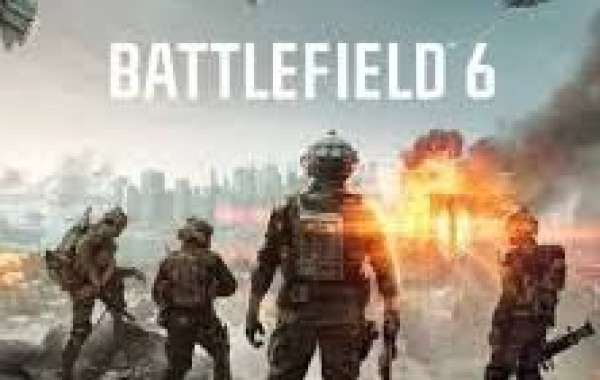
I've spent enough time with this series to know when Battlefield is chasing trends and when it actually remembers what made people care in the first place. This time, it feels like the studio finally got the message. Battlefield 6 doesn't try to be everything at once. It leans back into large-scale warfare, team play, and role-based combat, and that shift is obvious from your first few matches. Even players jumping into a Battlefield 6 Bot Lobby to get a feel for the pace will notice how much more readable the action is. Fights make sense again. Squads matter again. That alone makes this entry feel way more confident than the last one.
Classes actually matter now
The return of Assault, Engineer, Support, and Recon is easily the best decision they made. No gimmicks. No confused middle ground. You load in and you already have a rough idea of what your squad can do and what it still needs. That changes the whole rhythm of a match. If a tank is wrecking your team, you're looking for Engineers. If your push is stalling, you need Support dropping ammo and keeping people alive. It sounds basic, sure, but Battlefield always worked best when players had clear jobs. You feel that here. People aren't just running around with random loadouts doing their own thing. There's more intent behind every push, every defense, every scramble to hold a flag.
The scale feels like Battlefield again
One thing the game gets right is that sense of being dropped into a war that's already in motion. The maps are big, but not empty. That's important. You've got infantry fights in tight sections, then wide lanes where vehicles take over, then rooftops and ruined streets where snipers start making life miserable. It shifts constantly. Jets, tanks, transports, all of it feeds into that classic sandbox feeling. And yes, destruction plays a huge part in it. Not just for spectacle, either. A blown-out wall or collapsed floor can completely change how an objective plays. You'll see one squad dug in somewhere, then seconds later that safe spot is gone and the fight opens up in a totally different direction. That kind of unpredictability is a big part of why the series clicks when it's working.
Strong multiplayer, a few familiar issues
Most of the attention is going to multiplayer, and honestly that makes sense. Conquest and Breakthrough still carry the experience, while Team Deathmatch gives people a quicker option when they don't want the full battlefield circus. The overall response has been pretty positive, mostly because the game feels more grounded and less confused. Still, it's not spotless. The campaign doesn't leave much of an impression, which is a shame. It feels there because it had to be there, not because anyone had a strong story to tell. Some maps also have pacing issues depending on the mode, and technical performance can be a bit inconsistent from one platform to another. Nothing unusual for a big shooter launch, but players have noticed.
Why longtime fans are paying attention
What sticks with me is how this game stops trying to reinvent Battlefield and starts trusting the formula again. Not in a lazy way. More like it understands where the series went off course and pulls it back toward what people missed: teamwork, readable roles, proper vehicle combat, and maps that react to the damage around them. That's why the mood around it feels different. Even in broader community chatter, alongside people comparing settings or checking services like U4GM for game-related items and currency support, the bigger point keeps coming up: this one actually feels like Battlefield. Not perfect, not magically free of problems, but much closer to the game longtime players wanted all along.