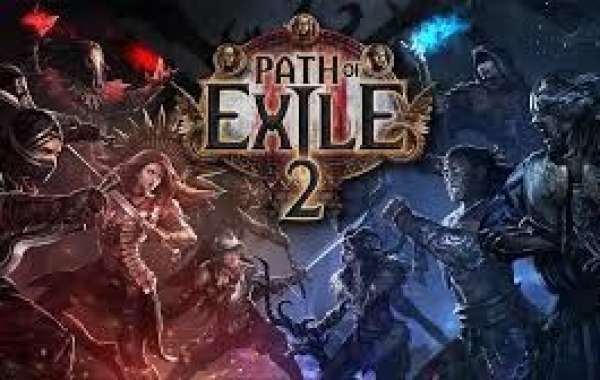
Path of Exile 2 early access doesn't play like a rough draft; it plays like a game that's already in motion and isn't waiting for you to catch up. You log in, try a new setup, and the next patch nudges the whole ecosystem sideways. That constant churn is half the thrill and half the headache. You'll feel it the first time a "safe" build suddenly struggles, and you're back in the hideout rethinking links and passives while trade chat buzzes about drops like Fate of the Vaal SC Divine Orb and what they're worth this week.
Classes That Change The Pace
The growing class lineup is doing more than adding variety; it's changing how fights flow. The Huntress rewards clean movement and timing, and you can tell when a player's got the rhythm because packs just melt in a neat line. The Druid, though, is the one that sticks in your head. You're tossing out spells, then—no fuss—you're suddenly a hulking animal tearing through stragglers. It feels quick, not fiddly. And once Ascendancies enter the picture, that's where people start getting obsessive. You'll see folks argue over one node like it's a life decision, because in this game it kind of is.
Endgame Is Where The Hours Go
The campaign's expanding, sure, but most players you meet are already thinking past it. The Atlas is back with that familiar "just one more map" pull, except it's layered enough now that you can get lost in your own plans. The smartest part is how seasonal mechanics aren't treated like a detached minigame. They creep into your routine, reshape your priorities, and make you reroute your whole evening. You'll start out aiming to farm currency, then get distracted by a league twist that suddenly feels too good to skip, and that's the loop working as intended.
Balance Drama And The Good Kind Of Mess
If you hang around forums for five minutes, you'll see the arguments. Some updates land awkwardly. Sometimes a nerf hits harder than expected, sometimes a skill slips through and becomes the obvious choice. What's different here is the tone from the developers. They'll admit when something didn't land, then adjust based on what players are actually doing, not what looks tidy on paper. It can be messy, and it can sting if your build takes the hit, but it also makes the whole project feel alive instead of locked behind corporate silence.
What People Want Next
Most of the talk now is about smoothing the long grind without sanding off the depth. Better quest guidance, clearer Atlas progression, fewer moments where you're alt-tabbing just to figure out why you're stuck. Players don't want the game made easy; they want it to respect their time. That's also why trading and gearing conversations never stop, and why some folks lean on services like U4GM when they're looking to buy game currency or items and keep a build moving instead of stalling out for days on bad luck.